ZhongKui: The Enriched Cultural Journey Through Strategic Gameplay
Introduction to ZhongKui
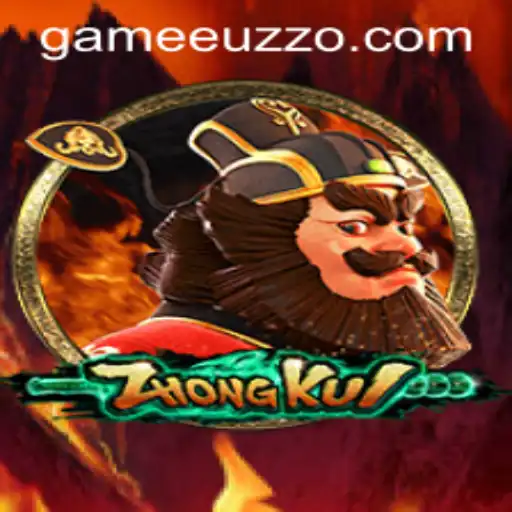
ZhongKui is a fascinating board game that has recently gained traction among enthusiasts worldwide. It draws inspiration from rich cultural tales and integrates them into a compelling strategic experience. Named after Zhong Kui, a legendary figure revered in Chinese folklore as a ghostly guardian and vanquisher of evil spirits, the game aims to bring cultural legends into the realm of strategic tabletop engagements.
The game's inception can be traced to a unique period in contemporary gaming, marked by a growing interest in globally infused narratives. The creators of ZhongKui capitalized on this trend, blending history and the mythical essence of Zhong Kui's stories to captivate and educate players. With each play session, gamers are offered not only a strategic challenge but also insight into the tales that have shaped the cultural backdrop of one of the world's oldest civilizations.
The Rise of ZhongKui in Modern Gaming
Adventure and strategy board games have seen a resurgence in recent years, with players craving narratives that go beyond the roll of the dice. This is particularly true in the context of current discussions around cultural inclusivity and representation in gaming. As ZhongKui entered the gaming world, it quickly became a standout for its ability to offer this very experience.
With the increasing globalization of the board game industry, ZhongKui has managed to differentiate itself by maintaining an integrity of cultural nuances while ensuring accessibility to a broad audience. It aligns well with ongoing conversations in the global gaming community about diversity and representation. Many gamers have expressed their appreciation for ZhongKui's ability to bridge cultural divides and deliver powerful stories in a format that engages and educates.
Game Description and Objectives
The game of ZhongKui is categorized as a strategic board game, intricately designed and richly detailed. It allows for 2 to 6 players per session, offering a dynamic approach that shifts based on the number of participants. The primary objective of ZhongKui is for players to collect as many spirit cards as possible by the game's end, utilizing strategy and wit to overcome opponents.
Each player takes on the role of a character from Chinese mythology, navigating their way through a spirited realm. The board itself is an artwork, depicting landscapes and mythical elements crucial to the gameplay, making it as much a visual treat as it is a mental challenge. With elements like 'The Spirit Gate' and 'Guardian's Path,' each session of ZhongKui becomes a vivid journey through legendary tales.
The Rules of ZhongKui
To begin the game, each player selects a character card. These characters possess unique abilities that influence gameplay strategies. The players then collect spirit cards, each representing different mythical creatures or historical figures, by navigating the board's challenges. The game is played over several rounds, with each round comprising turns where players draw cards, move their tokens, and engage in battles by rolling custom dice.
One of the key aspects of ZhongKui involves the strategic use of "Euzzo" cards—an exclusive feature that adds layers to the gameplay. These cards can be employed to alter game rules temporarily, providing advantages such as additional moves or manipulating opponents' strategies. Understanding how and when to use these cards is crucial, adding depth to the decision-making process.
Victory conditions are determined by the player's ability to accumulate the highest points by the end of the final round, achieved by acquiring powerful spirit cards and completing specific quests known as 'Mandates of ZhongKui'. These mandates change every game, ensuring that no two plays are identical, thereby constantly challenging players’ adaptability and strategic planning.
Current Events Influencing the Game
In recent months, the board gaming community has seen significant developments influencing games like ZhongKui. With the onset of virtual tabletop systems due to global events, many board games have transitioned online, providing alternatives for remote play during times when gatherings are less feasible. ZhongKui has embraced these changes, offering players digital versions of the game, complete with animated elements that enhance the storytelling aspect.
Additionally, the conversations around intellectual property and cultural heritage have spurred developers of ZhongKui to work closely with cultural historians and gaming consultants to ensure authenticity and respect for the source material. This initiative is particularly important in light of current movements advocating for increased cultural sensitivity and accuracy in media depictions.
Conclusion
ZhongKui is more than a board game; it is an engaging journey through myth and strategy. Its fusion of historical narratives and strategic gameplay positions it uniquely in the modern board gaming landscape. As players navigate through its intricacies, they find themselves part of something larger—an homage to a profound cultural legacy.